Amber

Amber in Ancient Times – Myths and Meaning

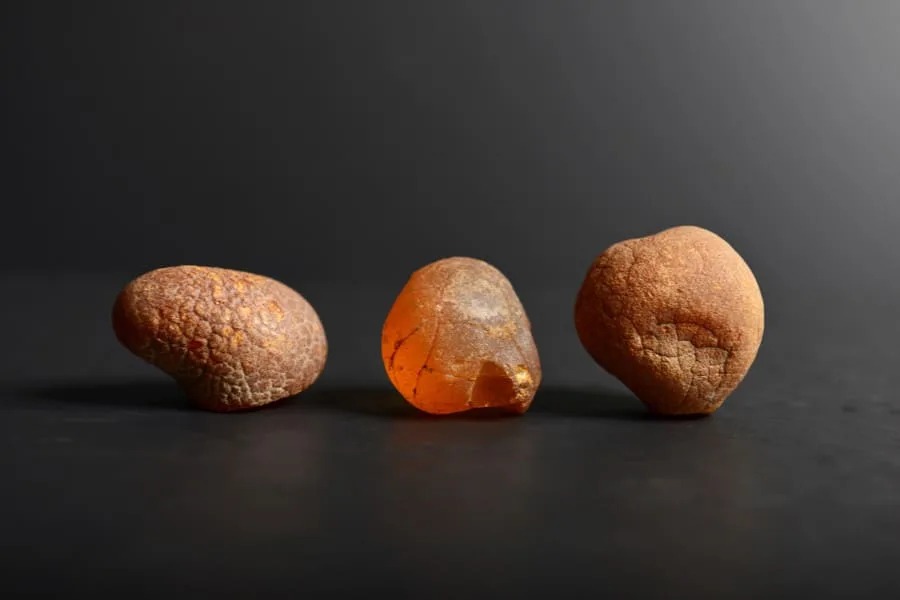
Amber. When we hear this name, we first picture a beautiful nugget of honey or cognac colour, which then brings a feeling of warmth to mind. Then we think: Baltic amber. Although our Baltic gold is probably the most famous amber today, and also the most sought after, it must be said that there are countless resins in the world. Already discovered…
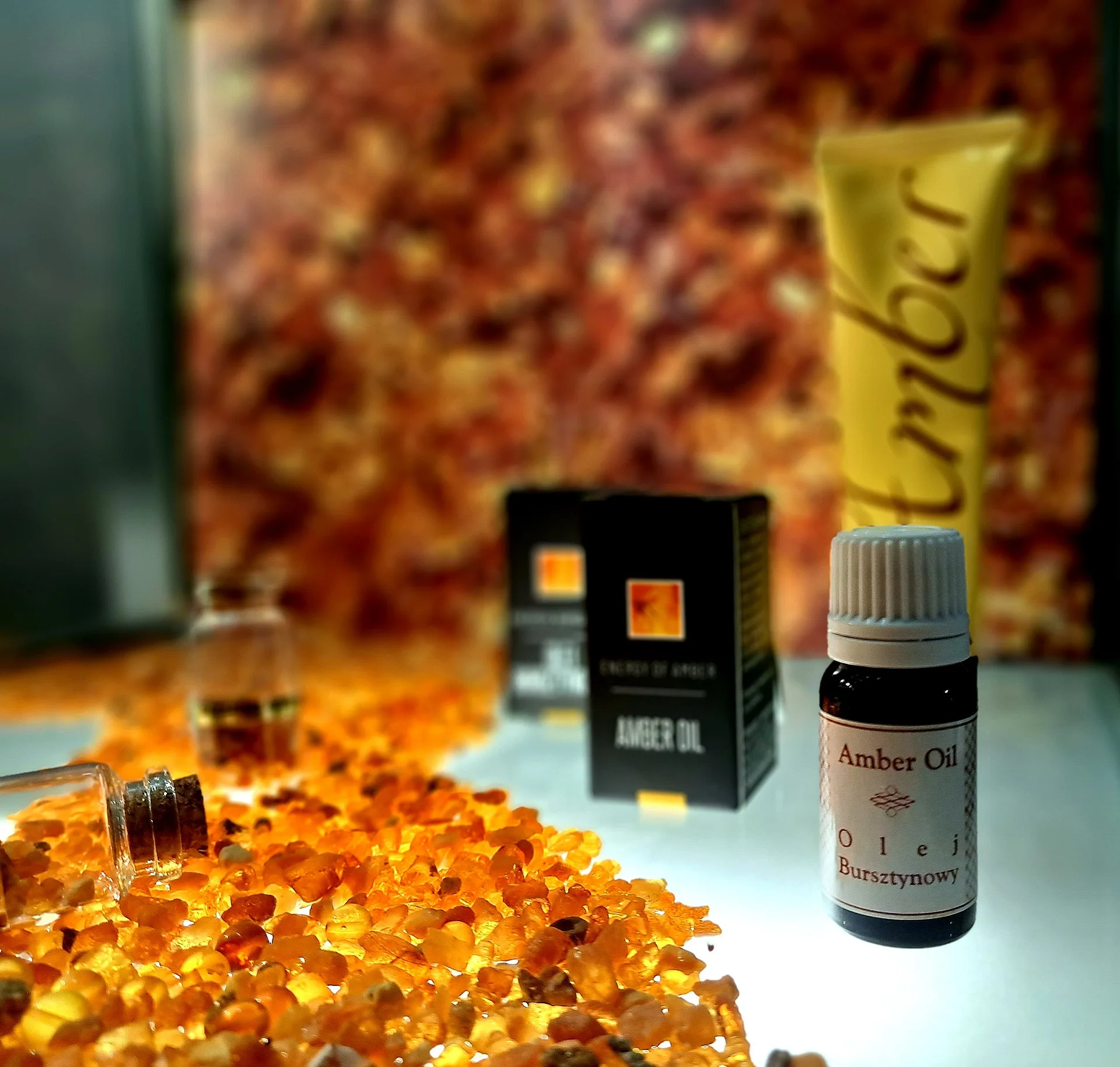
Amber oil and other amber derivatives

Today we are increasingly turning our attention to all forms of healing, especially natural ones. This is no coincidence: in our constant rush and overwork, our bodies demand a moment’s breath and care for our own wellbeing. Herbal medicine, Chinese medicine, naturopathy and the like have become popular. The question is how to relate this…

Amber pressing

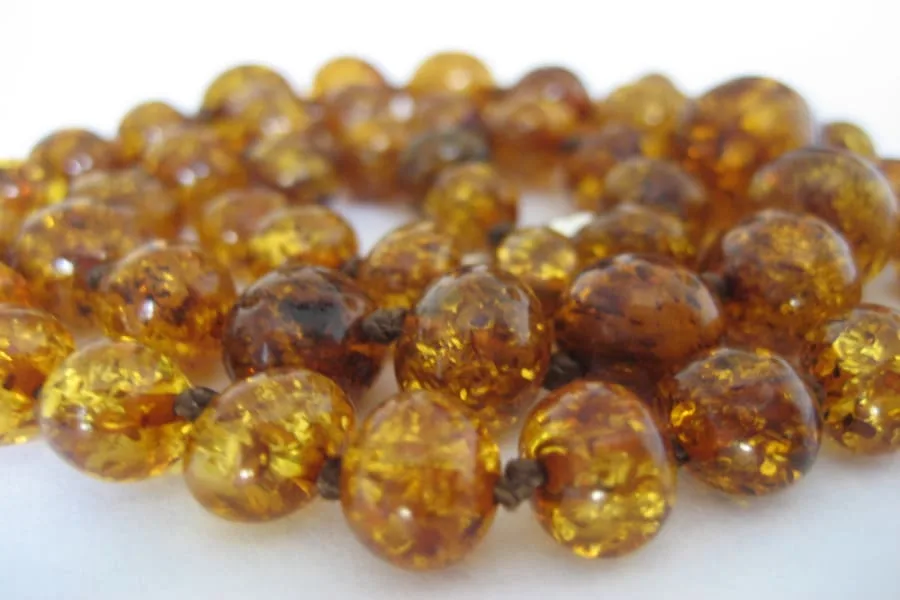
Reconstructed amber is increasingly common and attracts growing interest because of its relatively low price. What is it and how is it made? Does it keep the properties of natural amber? So-called pressing of amber is a process that fuses small fragments of amber (sometimes even amber powder) into larger pieces suitable for jewellery. It mainly uses…

What is Ukrainian amber?

Amber is inseparably associated with the Baltic Sea region. It turns out, however, that succinite can also be found in areas far away from it. How did it get there, and is it different from the amber found right by the Baltic? First we need to explain how amber deposits form. All Baltic amber deposits are secondary deposits, which means…

Amber, succinite or jantar?

The names of precious and semi-precious stones have various origins and often come from the characteristic features of a given stone. Our national treasure, Baltic amber, also comes with terminological intricacies. The name  succinite  comes from the Latin word  succinum  meaning juice [1] . It was first mentioned in Pliny the Elder’s “Natural History”, written in the 1st century AD. “Our ancestors, too, believed that amber is the juice (Latin …

What do fish and Baltic Amber have in common?

Admiring Baltic amber jewellery, we are often amazed by its unusual colour, its degree of transparency and the shimmering flecks that refract light. Where do the mysterious “scales” that make amber such a luminous stone come from? The history of bringing out the natural beauty of Baltic amber is very long. As early as the 17th century, methods of  clarifying  amber were known: nuggets were heated for a long time in linseed oil, which filled the pores in the succinite and made it more transparent. Heating amber wrapped in…

Blue amber – facts and myths

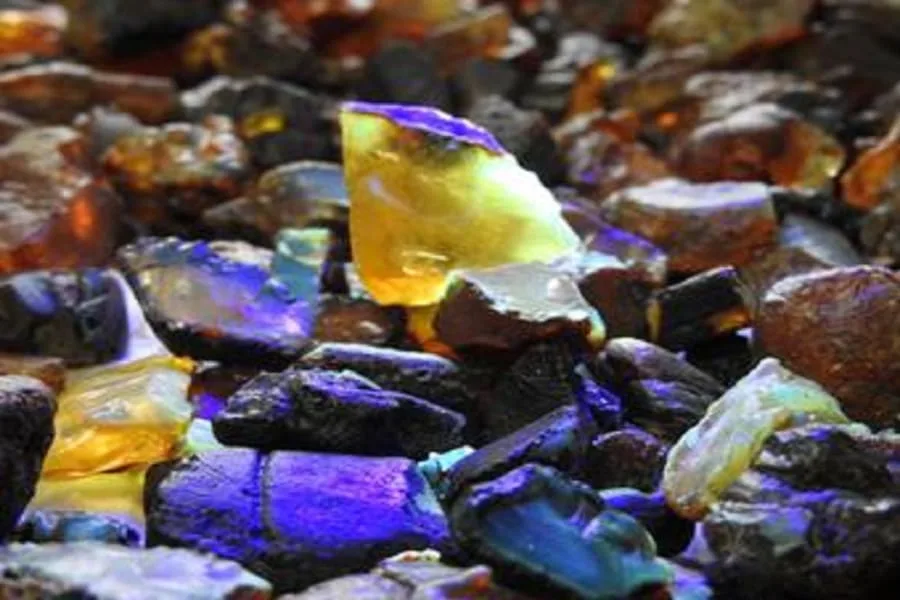
It is common knowledge that Baltic amber comes in a wide range of colours. Milky, yellow, orange, cognac or greenish shades no longer surprise anyone. Blue, however, is still controversial. Ambiguous colours, light figures and shimmering effects in stones arouse admiration, sometimes together with suspicion. Where does the rainbow play of colour in opal come from? Why do labradorites and moonstones mesmerise…

Colombian copal – a unique resin or imitation of Baltic amber?

The word copal comes from copalli, which in the Nahuatl language means “incense”. Since the dawn of time this fragrant stone has fascinated people with its resinous scent and unusual appearance. Today it is often compared with Baltic amber because they look alike, despite their different properties. Is there more that divides these resins, or do they have more in common than…

Methods of extracting Baltic amber

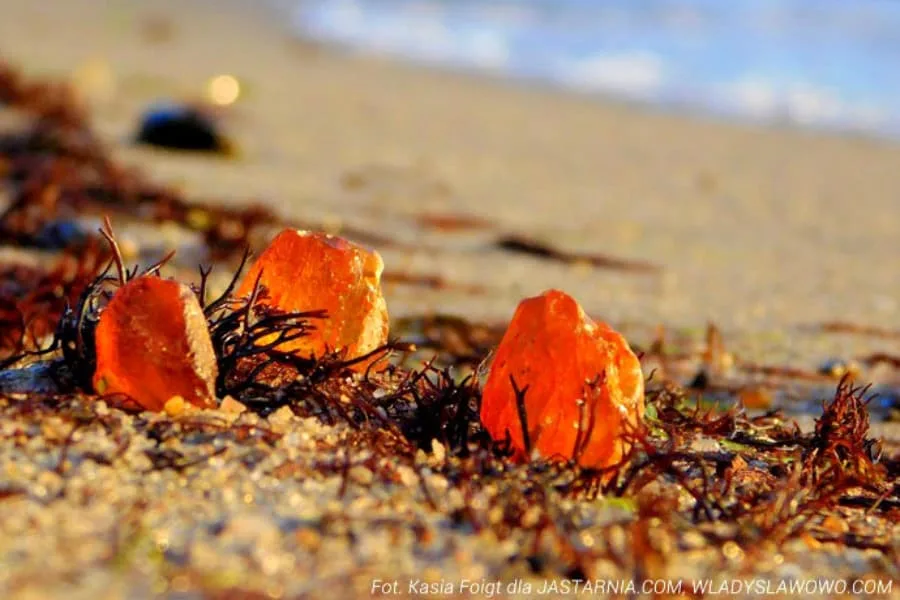
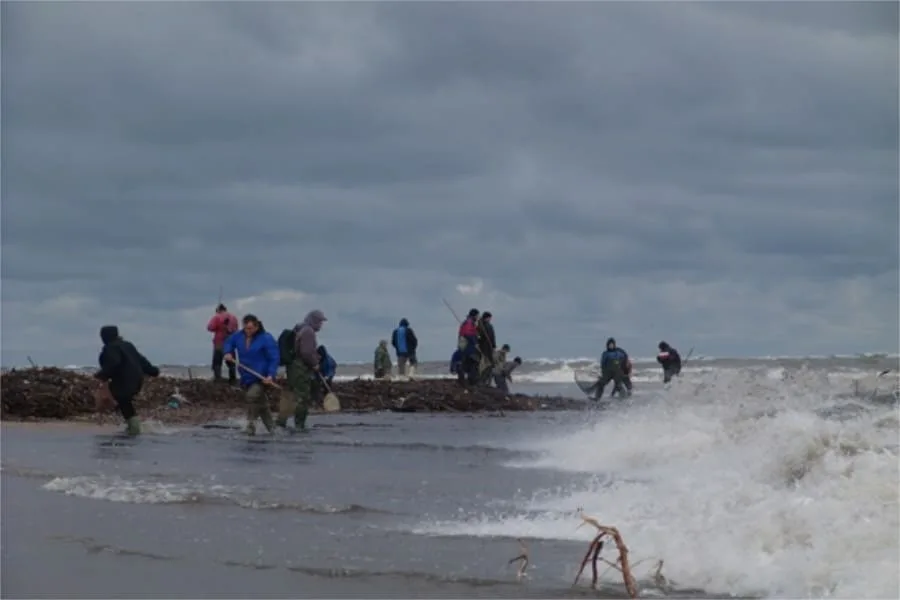
The sun stone – Baltic amber – is always associated with seaside holidays and searching the beach for golden specks in the warm sand to the sound of waves and seagulls. But there are other ways of extracting this precious raw material – more about them below! As early as the 16th century, M. Kromer’s work “Poland, or on its location, people, customs…”…

Red Baltic amber – a few words about modification

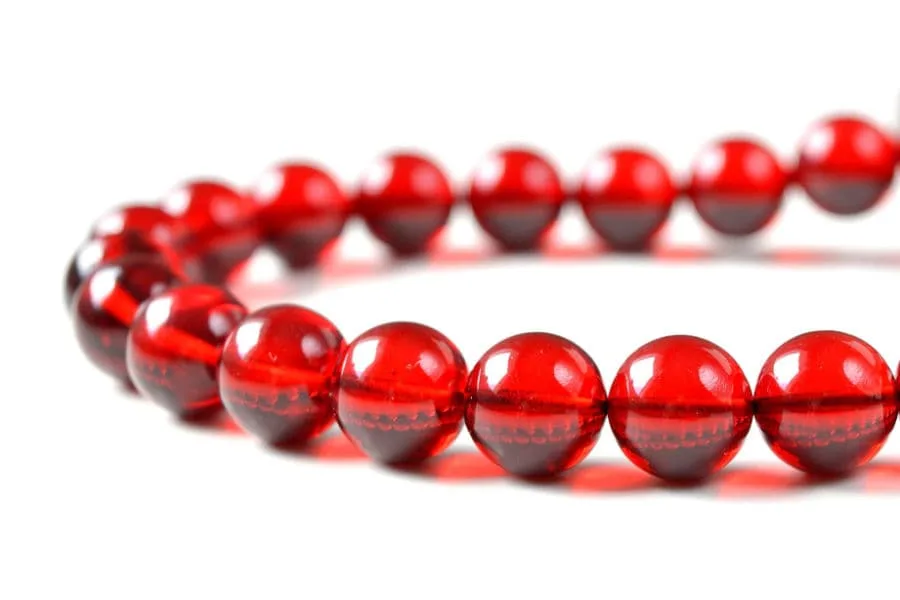
Juicy red Baltic ambers have long delighted with their clarity and saturated colour. To some they bring rubies to mind, to others garnets – one thing is certain: jewellery with cherry-red amber looks exceptionally elegant. But why are they red? You will find the answer later in this article! The wealth of colour varieties and degrees of transparency of natural succinite means that every nugget is different…

Fragments of the world from millions of years ago enclosed in amber nuggets – briefly about inclusions in Baltic amber

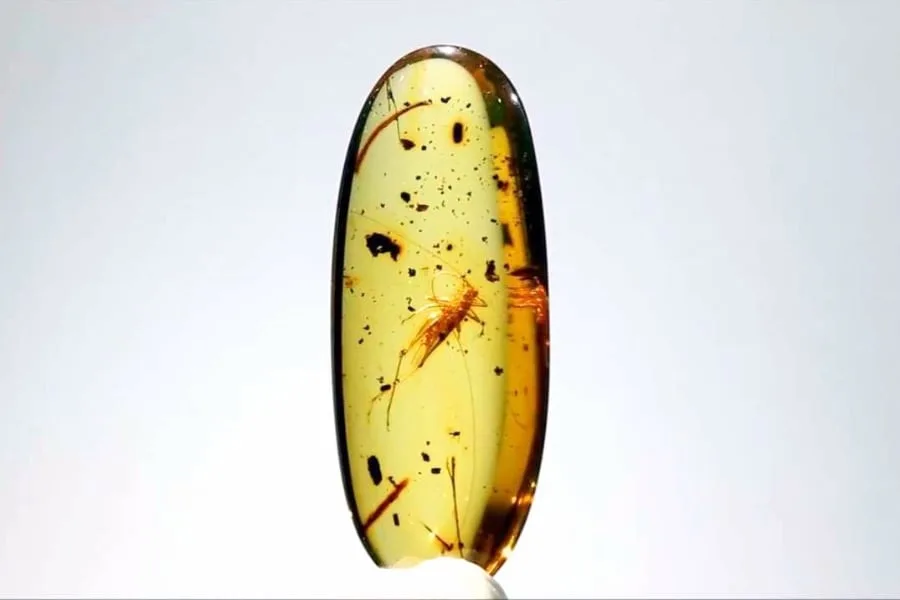
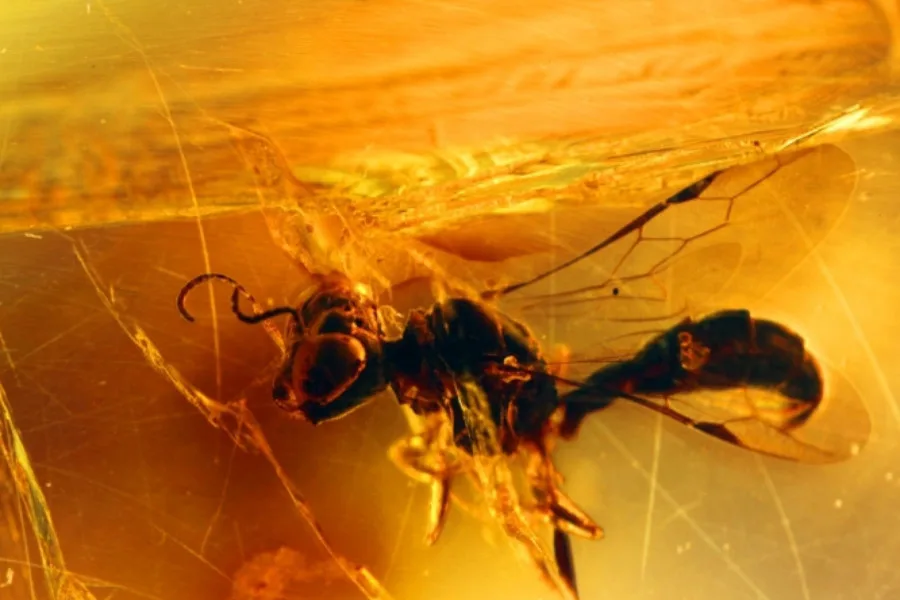
Inclusions in Baltic amber have always been treated as something special. Today they are sought after, admired and valued. They are also the subject of scientific research. They deserve proper respect, because they hold “life” from many millions of years ago. Let us start by explaining what inclusions in Baltic amber really are. An inclusion in amber is…

Cheap imitation or real amber? Succinite verification methods

Amber is one of the oldest and most popular materials used in jewellery; what is more, it was the first decorative fossil used on a mass scale in history. It was known in antiquity and was traded by most Europeans living at the time. Amber was transported across much of Europe along the so-called “Amber Route”. Amber is part of Polish culture, as shown for example by…

Health and beauty. The most important advantages of succinic acid

Time and health are two precious treasures that we do not recognise or appreciate until they are gone. Walter Disney. Amber is an extraordinary fossil resin which, besides its undeniable aesthetic qualities, has for years interested health specialists, aesthetic medicine practitioners and cosmetologists. To trace the beginnings of research into amber and medicine, we have to go back to antiquity,…

Facts and myths – amber, or what?

Amber is a source of many mysteries and curiosities that hide the history of our planet, which is why so many myths and stereotypes surround this fossil. The special interest in it comes not only from its history but also from its unique appearance. For centuries it has fascinated collectors and delighted enthusiasts all over the world. Amber colour – but what colour is that, actually? I often hear that…

Dominican amber – adventure and beauty …

Indians, Columbus, the Caribbean, mountains, transport by donkey and Jurassic Park. It all sounds like a wonderful journey full of adventure. This amazing journey is the story of Dominican amber, one of the most beautiful and most interesting fossil resins. Dominican amber comes from deciduous trees and contains 0 to 3% succinic acid, so much less…

Amber in archeology

Amber was the first decorative stone in history to be used on a mass scale. It was known to the ancient Greeks, Romans and Egyptians, among others. It even reached the Arabian Peninsula and the civilisations of the Far East. From the beginning it also accompanied the cultures living around the Baltic, which is why it is firmly rooted in the European, and above all Polish, jewellery tradition. (Brochure Baltic Amber…

Between history and modernity

Amber has inspired people since the earliest times. In the Palaeolithic it was used to make all kinds of ornaments, including amulets and artefacts. In the ancient world it appeared in legends, local stories and religious rites. Thanks to its charm it has inspired jewellers for more than 3,000 years, and Poland is now the world leader in the production…

Infrared spectrometry

Effective, non-invasive identification of Baltic amber is possible. Infrared spectrometry is the most widely used spectroscopic method for analysing Baltic amber (succinite) and other natural and synthetic resins, and is often the basis for identifying them. The method was first used to study fossil resins in 1963–1964 at three research centres: in Germany, the USA and Russia. In Poland, the beginning…

Amber Chamber

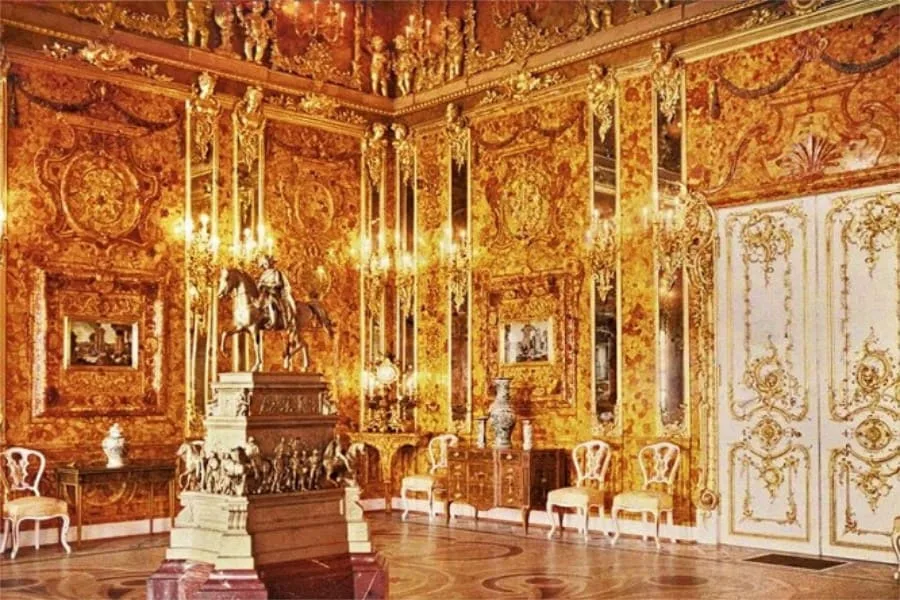
The most famous work of art in amber craft. One of the best-known and most mysterious works of art ever made of amber is  the Amber Chamber. Construction of the chamber began in 1701. It was originally in Charlottenburg Palace, the residence of Frederick I, the first King of Prussia. Designed by the German Baroque sculptor Andreas Schlüter and made by Gottfried Wolfram,…

Features and properties of Baltic amber

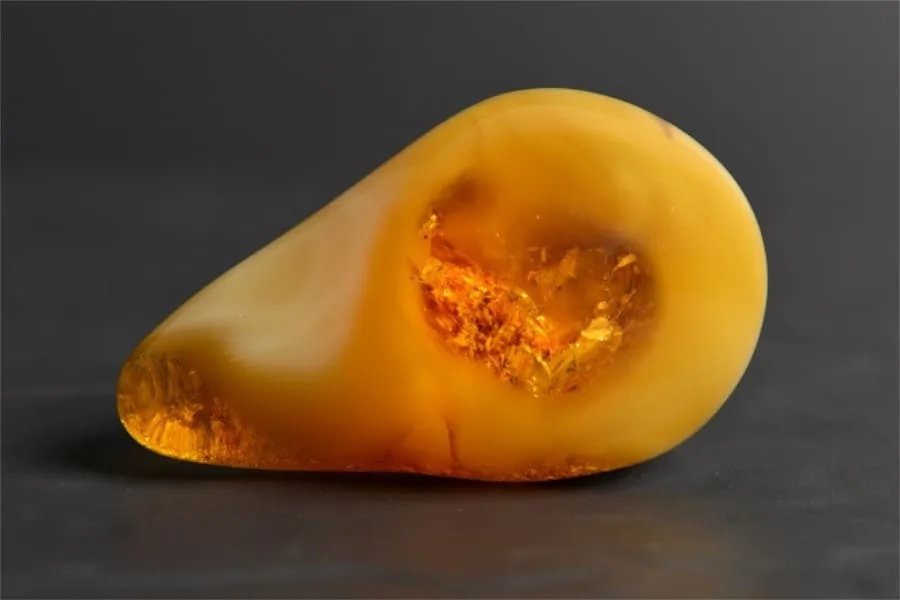
Baltic amber – a magical stone, the gold of the North. Baltic amber, also called succinite, is the best-known fossil resin, formed from prehistoric trees. The parent tree of Baltic amber has still not been identified with certainty. Since the 19th century it has most often been attributed to a plant of the pine family, Pinus succinifera. Chemically, Baltic amber consists…

Location and methods of amber extraction

Most people associate amber with nuggets found on sandy beaches. However, what we find there today is only a small percentage of the world’s amber production. Baltic amber is mainly deposited underground. The largest deposits in the world are in the Kaliningrad Oblast, in Ukraine and in Poland, near Chłapowo. The oldest…

Baltic amber vs Colombian copal

Comparative characteristics of IR spectra. Amber can essentially be divided into varieties and types according to where it was formed and where it occurs. Its diversity, beauty and uniqueness depend not only on the region where the “amber” formed, but also on the conditions and the type of raw material it came from. More than a hundred varieties of fossil resin are known worldwide.…

Smaller and bigger truths about the creation of amber

Amber in myths and legends. Many myths and legends preceded the formation of amber. In Greek mythology, the origin of amber appears in the story of Phaethon, son of Helios, the Sun god. One day Phaethon asked his father for permission to drive the sun chariot. The father gave in to his son. But the inexperienced Phaethon, driving the sun chariot, came too…

Discover the magical and healing power of amber

Its power has been believed in since the earliest times. That belief has survived to this day. Amber contains many valuable trace elements, such as silicon, magnesium, iron, calcium, potassium, organic compounds bound with iodine, volatile substances and resin acids. Succinic acid has been found to act as a biostimulant: it stimulates the nervous system, regulates kidney and bowel function, and is anti-inflammatory and anti-toxic. On…