blog

AmberMuseum Blog

You will find us in the heart of Krakow in the immediate vicinity of the Main Square

Amber in Ancient Times – Myths and Meaning

Amber. When we hear this name, we first picture a beautiful nugget of honey or cognac colour, which then brings a feeling of warmth to mind. Then we think: Baltic amber. Although our Baltic gold is probably the most famous amber today, and also the most sought after, it must be said that there are countless resins in the world. Already discovered…
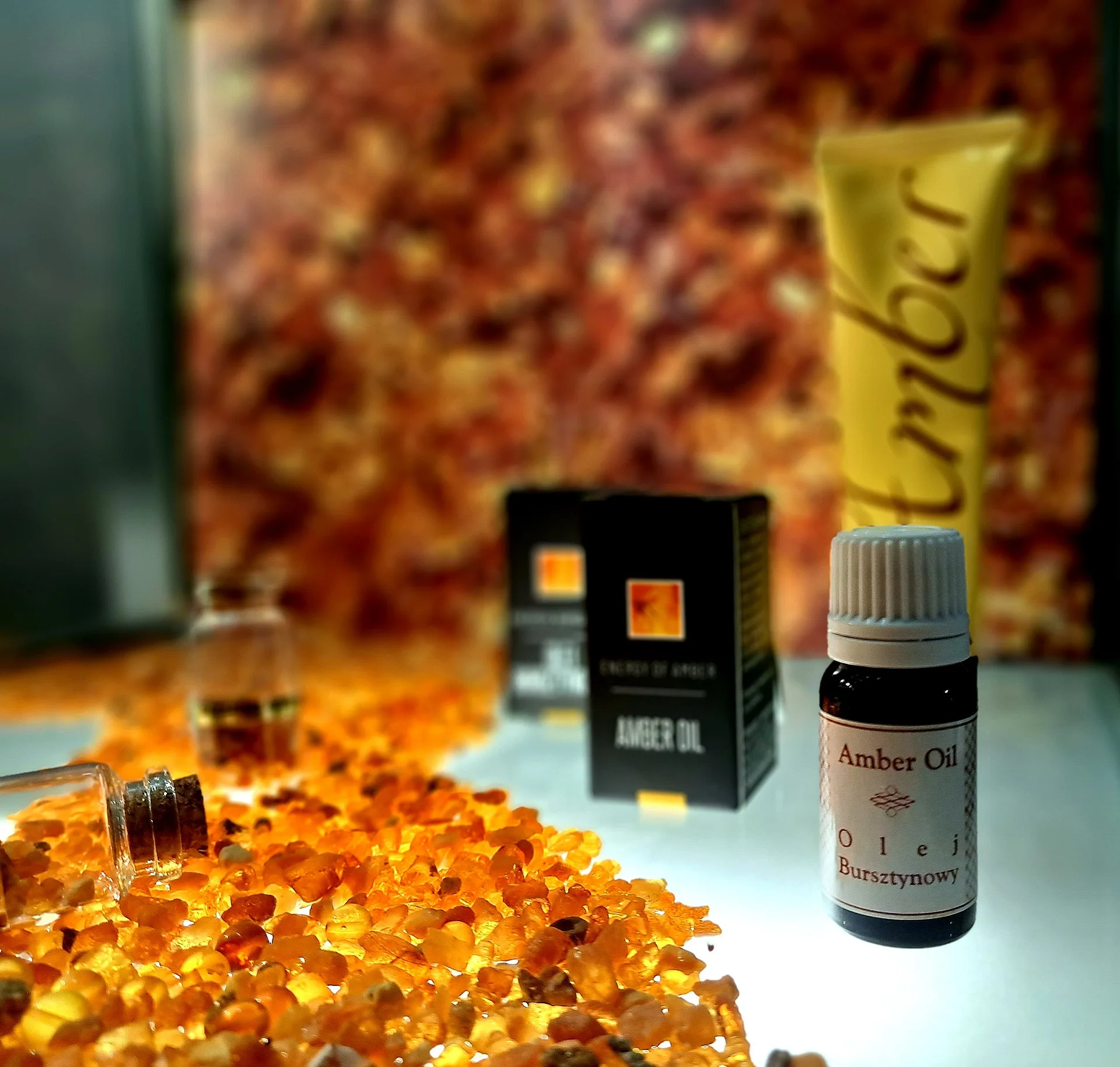
Amber oil and other amber derivatives

Today we are increasingly turning our attention to all forms of healing, especially natural ones. This is no coincidence: in our constant rush and overwork, our bodies demand a moment’s breath and care for our own wellbeing. Herbal medicine, Chinese medicine, naturopathy and the like have become popular. The question is how to relate this…

Amber pressing

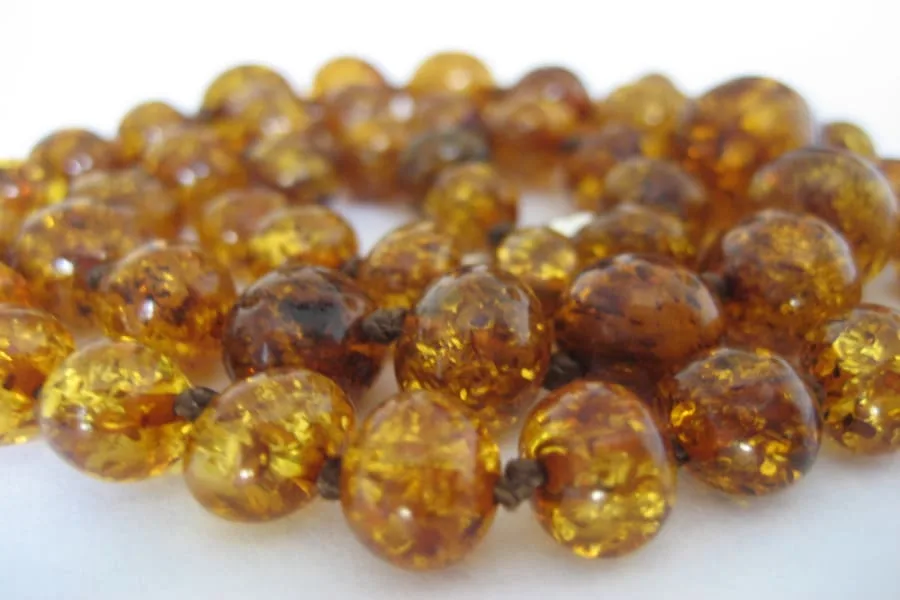
Reconstructed amber is increasingly common and attracts growing interest because of its relatively low price. What is it and how is it made? Does it keep the properties of natural amber? So-called pressing of amber is a process that fuses small fragments of amber (sometimes even amber powder) into larger pieces suitable for jewellery. It mainly uses…

What is Ukrainian amber?

Amber is inseparably associated with the Baltic Sea region. It turns out, however, that succinite can also be found in areas far away from it. How did it get there, and is it different from the amber found right by the Baltic? First we need to explain how amber deposits form. All Baltic amber deposits are secondary deposits, which means…

Postcards from the Amber Museum

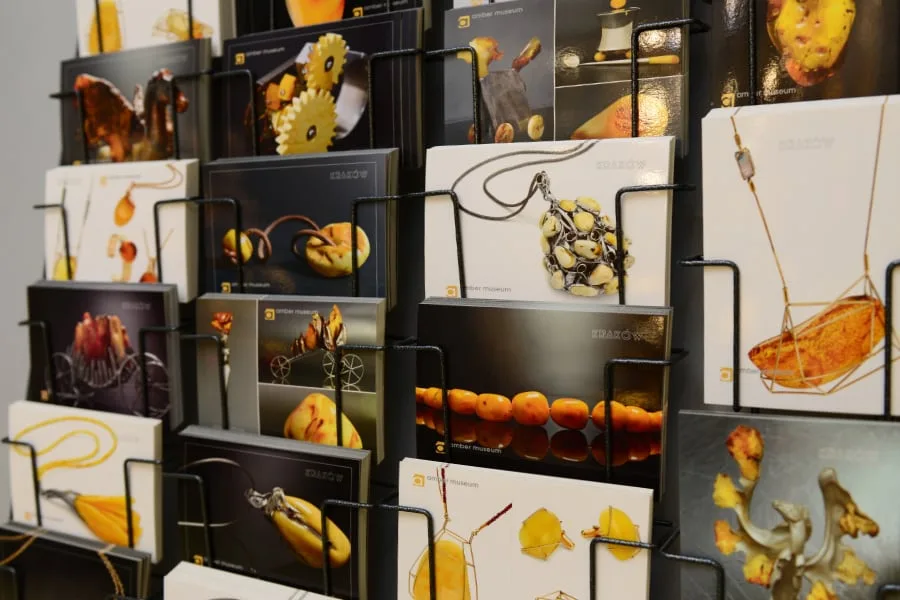
The Amber Museum offers postcards that make a lovely gift or keepsake of your visit to our museum. Amber jewellery by Dorota Cenecka, Tomasz Kargul and Jacek Baron, sculptures decorated with amber by Jacek Sumeradzki and Mariusz Drapikowski, and objects by Harald and Eryk Popkiewicz are just some of the exhibits from the Krakow Amber Museum and products offered in…

Amber, succinite or jantar?

The names of precious and semi-precious stones have various origins and often come from the characteristic features of a given stone. Our national treasure, Baltic amber, also comes with terminological intricacies. The name  succinite  comes from the Latin word  succinum  meaning juice [1] . It was first mentioned in Pliny the Elder’s “Natural History”, written in the 1st century AD. “Our ancestors, too, believed that amber is the juice (Latin …

What do fish and Baltic Amber have in common?

Admiring Baltic amber jewellery, we are often amazed by its unusual colour, its degree of transparency and the shimmering flecks that refract light. Where do the mysterious “scales” that make amber such a luminous stone come from? The history of bringing out the natural beauty of Baltic amber is very long. As early as the 17th century, methods of  clarifying  amber were known: nuggets were heated for a long time in linseed oil, which filled the pores in the succinite and made it more transparent. Heating amber wrapped in…

Blue amber – facts and myths

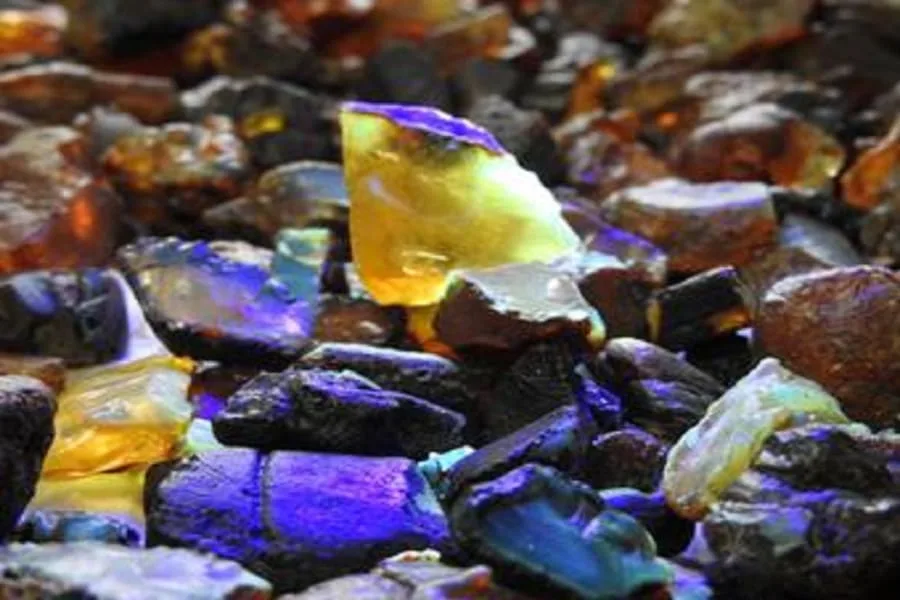
It is common knowledge that Baltic amber comes in a wide range of colours. Milky, yellow, orange, cognac or greenish shades no longer surprise anyone. Blue, however, is still controversial. Ambiguous colours, light figures and shimmering effects in stones arouse admiration, sometimes together with suspicion. Where does the rainbow play of colour in opal come from? Why do labradorites and moonstones mesmerise…

Colombian copal – a unique resin or imitation of Baltic amber?

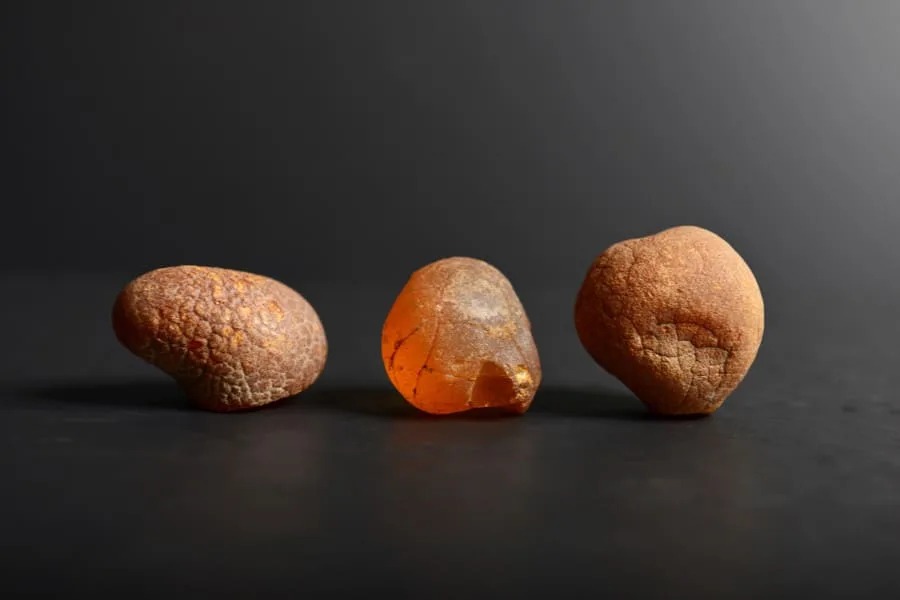
The word copal comes from copalli, which in the Nahuatl language means “incense”. Since the dawn of time this fragrant stone has fascinated people with its resinous scent and unusual appearance. Today it is often compared with Baltic amber because they look alike, despite their different properties. Is there more that divides these resins, or do they have more in common than…

Methods of extracting Baltic amber

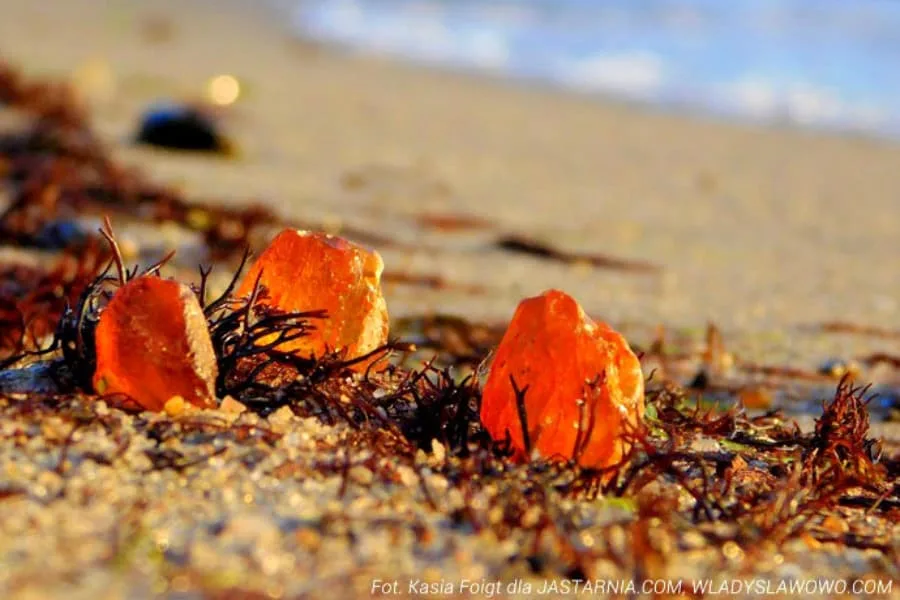
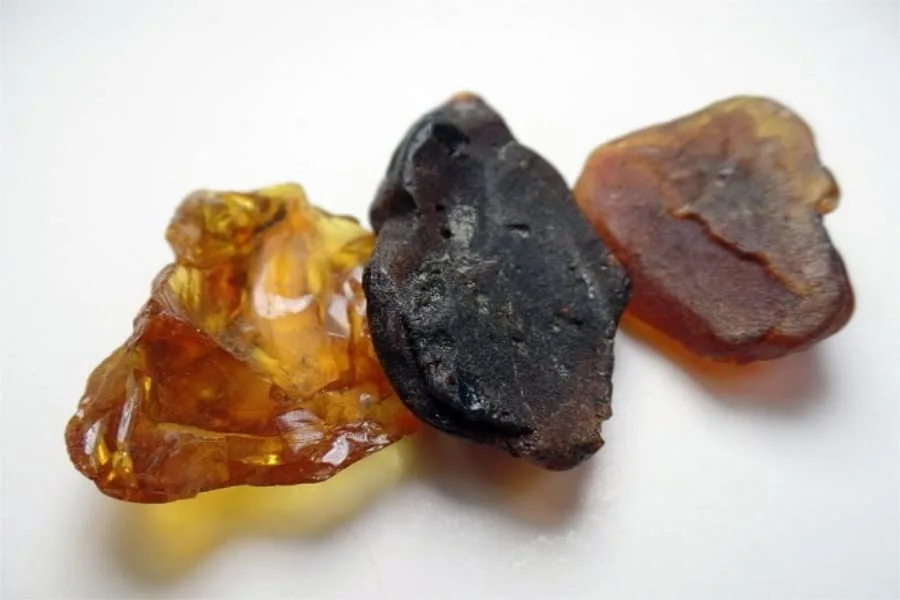
The sun stone – Baltic amber – is always associated with seaside holidays and searching the beach for golden specks in the warm sand to the sound of waves and seagulls. But there are other ways of extracting this precious raw material – more about them below! As early as the 16th century, M. Kromer’s work “Poland, or on its location, people, customs…”…

Red Baltic amber – a few words about modification

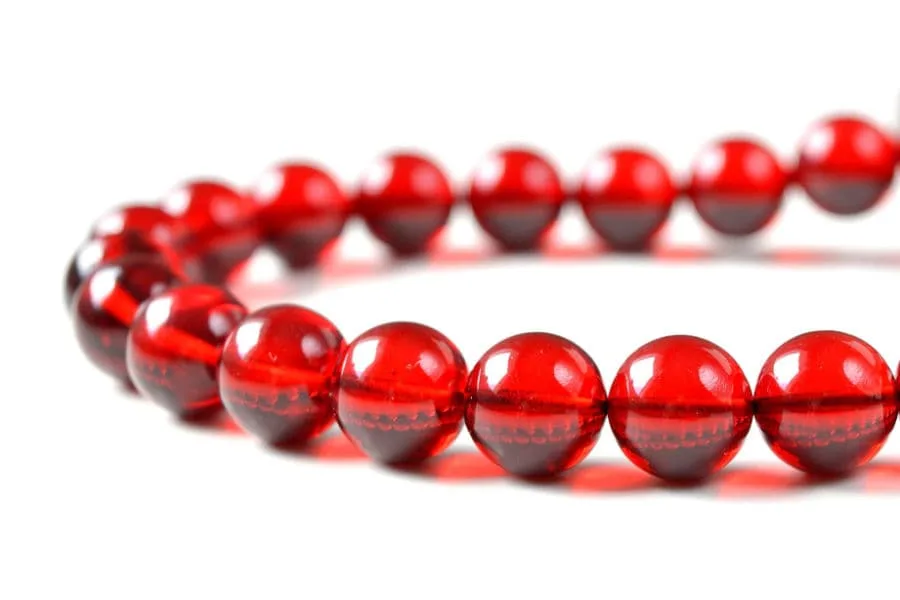
Juicy red Baltic ambers have long delighted with their clarity and saturated colour. To some they bring rubies to mind, to others garnets – one thing is certain: jewellery with cherry-red amber looks exceptionally elegant. But why are they red? You will find the answer later in this article! The wealth of colour varieties and degrees of transparency of natural succinite means that every nugget is different…

Cosmetics and other amber-based products available at the Amber Museum!

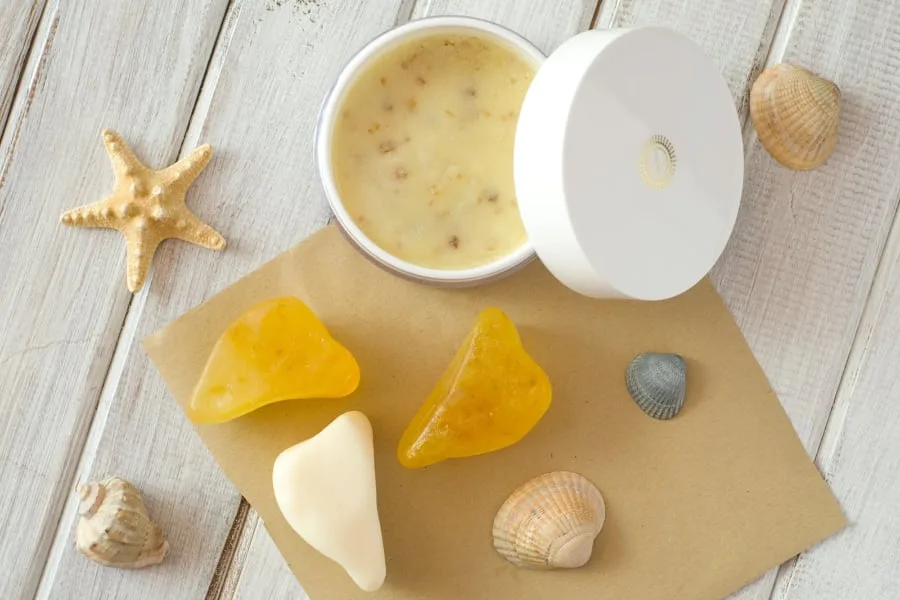
We invite you to explore our range. To meet our visitors’ expectations we have prepared the following amber products: natural amber soap, natural soap with mud and amber, bath salt with mud and amber, a softening mask-cream with mud and amber, face cream with amber extract, hand cream with mud and amber, cream for…

Flowers of Podlasie – the Bondarowski collection

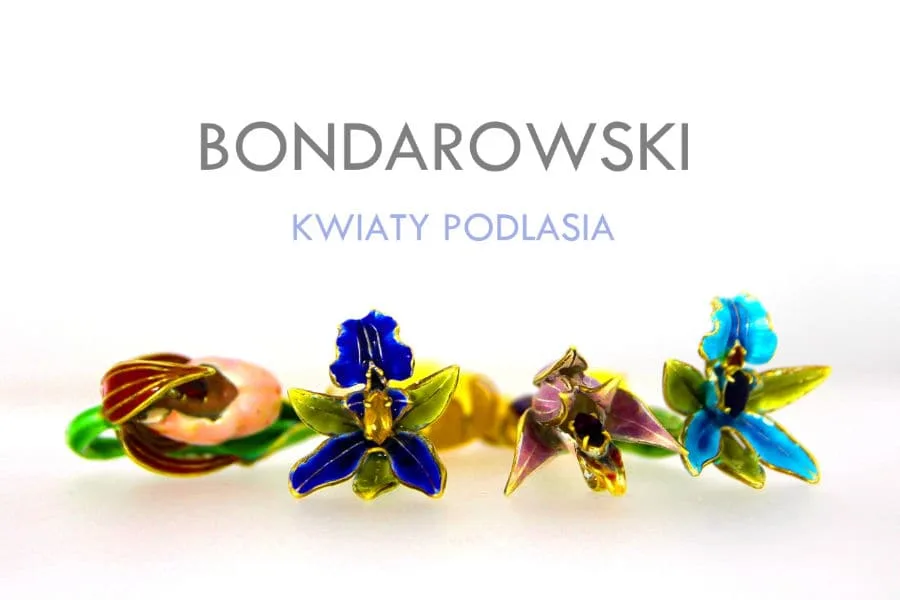
A riot of colour, an Art Nouveau composition and exquisite ornament: a few words about a collection devoted to endangered plant species of the Podlasie region, created by the Bondarowski brand to mark the centenary of Poland regaining independence.  The new collection depicting the flora of Podlasie is a tribute to Polish nature. Although the species shown are “ours”, they seem exotic because of…

Amber Chariot

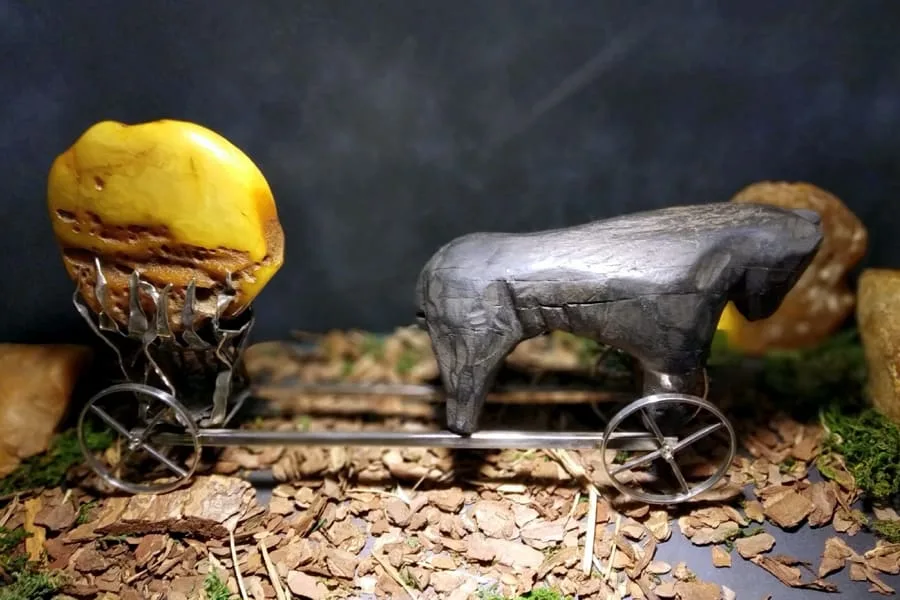
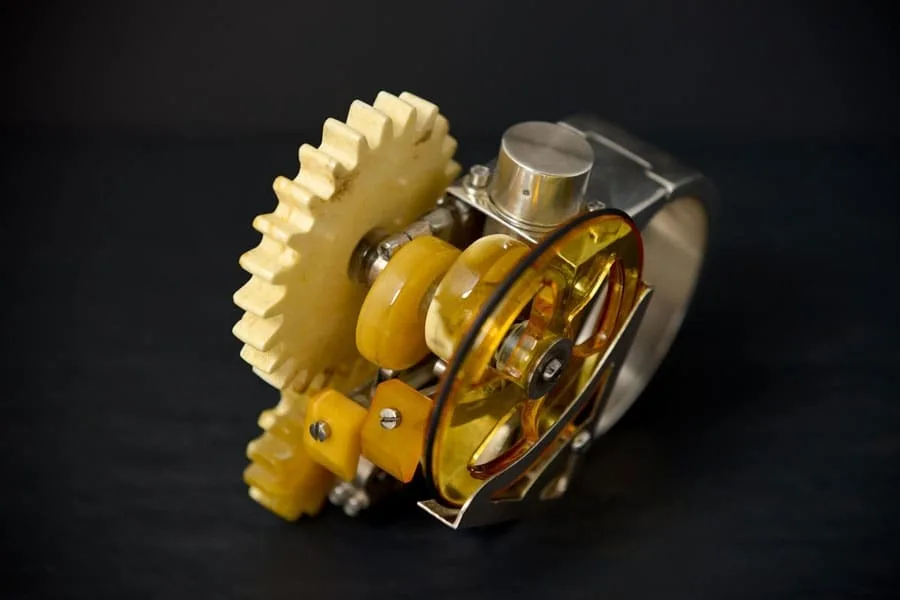
One legend says that amber is the petrified tears of the Heliades, sisters of Phaethon, son of the Sun god. Inspired by this myth and by the sun stone, Harald Popkiewicz created a unique object that can be admired in our Museum. Spring has come to the Amber Museum thanks to Harald Popkiewicz’s sun chariot, which lights up the Museum. “Chariot”  was created in 2006.…

Fragments of the world from millions of years ago enclosed in amber nuggets – briefly about inclusions in Baltic amber

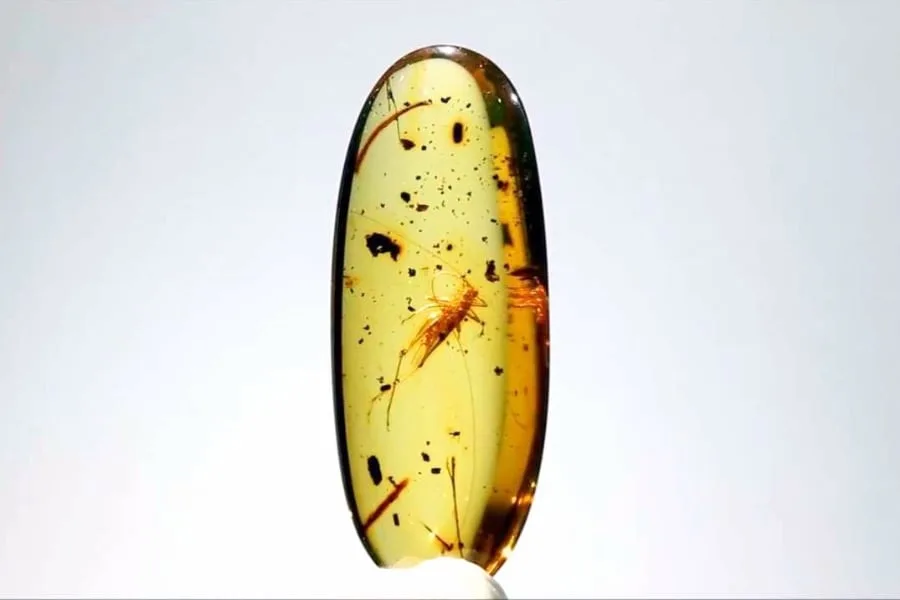
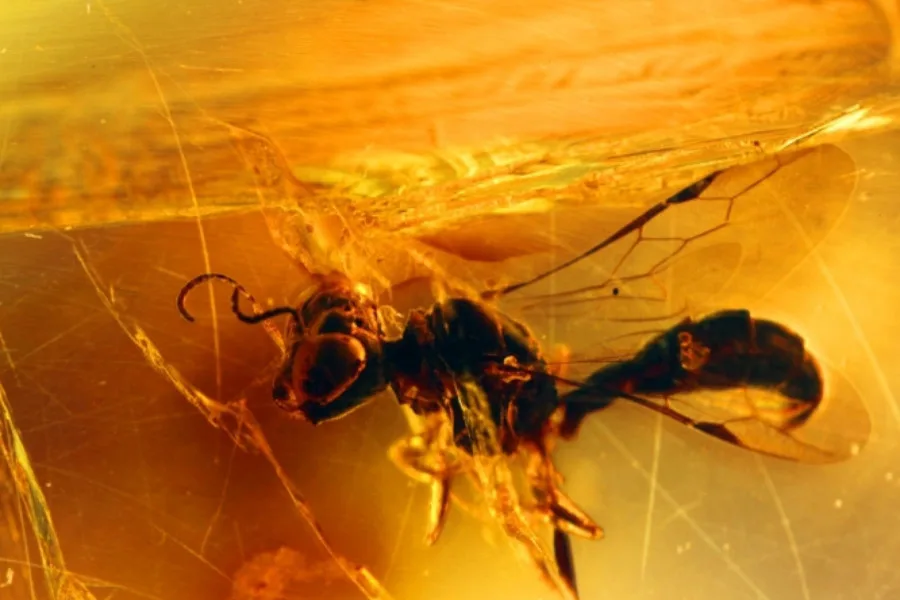
Inclusions in Baltic amber have always been treated as something special. Today they are sought after, admired and valued. They are also the subject of scientific research. They deserve proper respect, because they hold “life” from many millions of years ago. Let us start by explaining what inclusions in Baltic amber really are. An inclusion in amber is…

Amber memory of Paweł Adamowicz

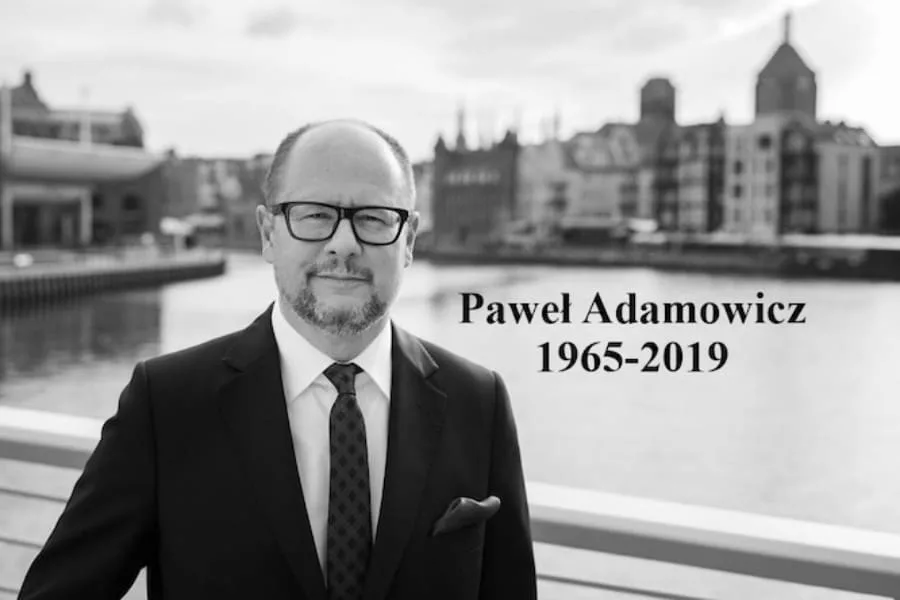
Today we all remember Paweł Adamowicz, the murdered mayor of Gdańsk, and how much he did for his beloved city during more than 20 years as mayor. Among so many achievements it is easy to overlook that it was during his time in office that Gdańsk became the World Capital of Amber. “Gdańsk is the most wonderful city in the world” – one of the last sentences he spoke on stage…

Jan Pomianowski – an outstanding artist from Kashubia

Today’s article presents another outstanding artist of the amber world who works with the Amber Museum in Krakow and the Boruni galleries. Meet Jan Pomianowski – an artist whose jewellery is owned even by the Norwegian royal couple. Jan Pomianowski was born in Gdynia, but for more than twenty years he has lived and worked in Kashubia. He studied painting at the State…

Cheap imitation or real amber? Succinite verification methods

Amber is one of the oldest and most popular materials used in jewellery; what is more, it was the first decorative fossil used on a mass scale in history. It was known in antiquity and was traded by most Europeans living at the time. Amber was transported across much of Europe along the so-called “Amber Route”. Amber is part of Polish culture, as shown for example by…

Health and beauty. The most important advantages of succinic acid

Time and health are two precious treasures that we do not recognise or appreciate until they are gone. Walter Disney. Amber is an extraordinary fossil resin which, besides its undeniable aesthetic qualities, has for years interested health specialists, aesthetic medicine practitioners and cosmetologists. To trace the beginnings of research into amber and medicine, we have to go back to antiquity,…

Jacek Baron – designer, creator and precursor of avant-garde jewellery

Today’s article introduces Jacek Baron, one of the pioneers of avant-garde amber jewellery, not only in Poland but worldwide. Join us for the story of innovative amber art going back to the 1980s. Jacek Baron has been designing and making jewellery for more than 30 years, and today his works form a significant part of several…

Jacek Baron's new collection seduces at first sight

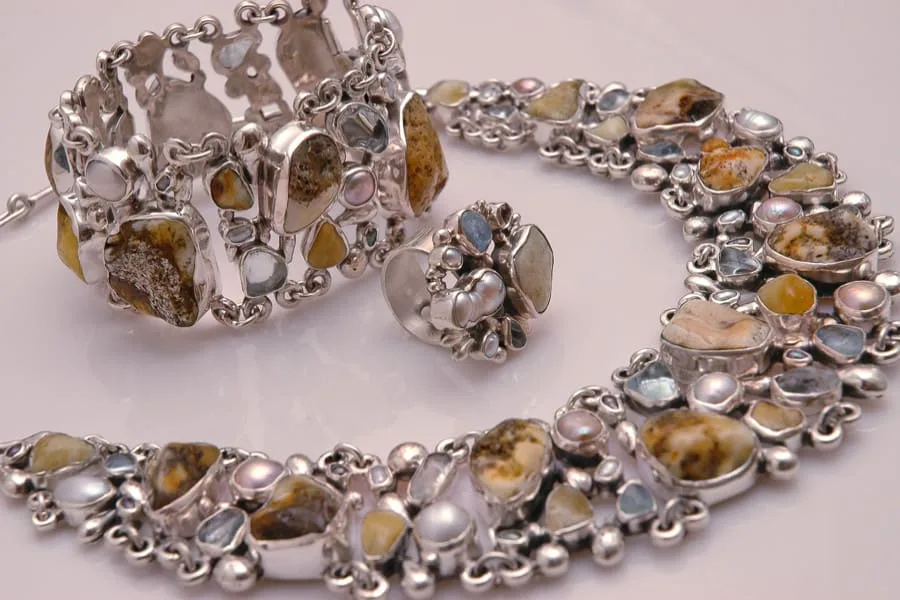
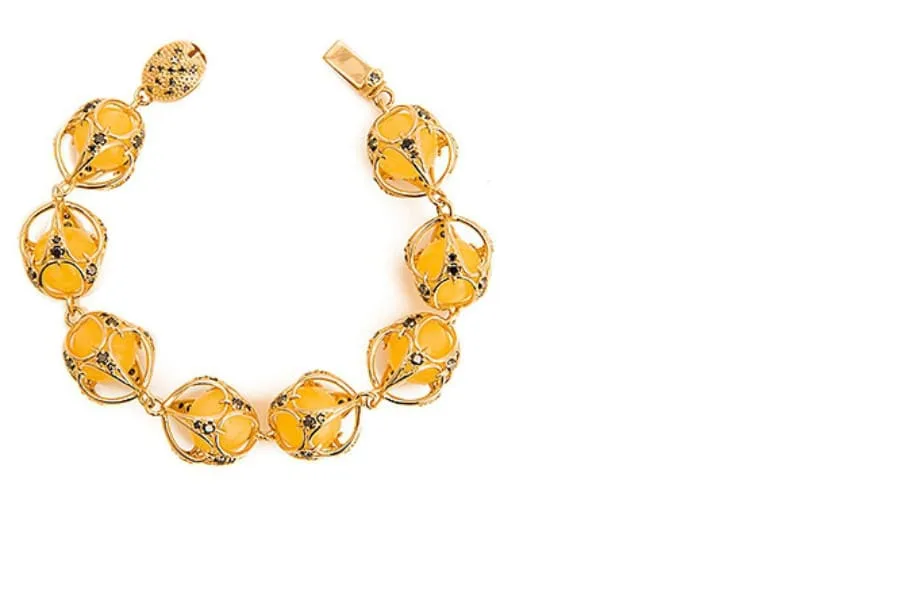
Sometimes a single glance is enough to fall for the charm of refined jewellery. Rather than fight the feeling, it is better to delight the senses with the beauty of form, nature and the artist’s craft. That is exactly what Jacek Baron’s latest collection offers. Importantly, no two forms are the same, and the artist emphasises each piece’s uniqueness with subtle, meticulously made settings of the highest quality…

Facts and myths – amber, or what?

Amber is a source of many mysteries and curiosities that hide the history of our planet, which is why so many myths and stereotypes surround this fossil. The special interest in it comes not only from its history but also from its unique appearance. For centuries it has fascinated collectors and delighted enthusiasts all over the world. Amber colour – but what colour is that, actually? I often hear that…

Dominican amber – adventure and beauty …

Indians, Columbus, the Caribbean, mountains, transport by donkey and Jurassic Park. It all sounds like a wonderful journey full of adventure. This amazing journey is the story of Dominican amber, one of the most beautiful and most interesting fossil resins. Dominican amber comes from deciduous trees and contains 0 to 3% succinic acid, so much less…

Amber in archeology

Amber was the first decorative stone in history to be used on a mass scale. It was known to the ancient Greeks, Romans and Egyptians, among others. It even reached the Arabian Peninsula and the civilisations of the Far East. From the beginning it also accompanied the cultures living around the Baltic, which is why it is firmly rooted in the European, and above all Polish, jewellery tradition. (Brochure Baltic Amber…

Between history and modernity

Amber has inspired people since the earliest times. In the Palaeolithic it was used to make all kinds of ornaments, including amulets and artefacts. In the ancient world it appeared in legends, local stories and religious rites. Thanks to its charm it has inspired jewellers for more than 3,000 years, and Poland is now the world leader in the production…

Infrared spectrometry

Effective, non-invasive identification of Baltic amber is possible. Infrared spectrometry is the most widely used spectroscopic method for analysing Baltic amber (succinite) and other natural and synthetic resins, and is often the basis for identifying them. The method was first used to study fossil resins in 1963–1964 at three research centres: in Germany, the USA and Russia. In Poland, the beginning…